

Views: 222 Author: Zhang Xin Publish Time: 2026-08-03 Origin: Site


Content Menu
● What Is a Cylindrical Cell PET Heat Shrink Sleeve?
● Why PET Is the Preferred Material
>> Excellent Electrical Insulation
>> Outstanding Mechanical Strength
>> High Temperature Resistance
>> Excellent Shrink Performance
● Key Functions of PET Heat Shrink Sleeves
● Applications Across Multiple Industries
>> Power Tools
>> E-Mobility
● Manufacturing Process of PET Heat Shrink Sleeves
>> Extrusion
● Quality Control in PET Heat Shrink Sleeve Production
>> Electrical Insulation Testing
>> Mechanical Property Testing
>> Printing Quality Inspection
● Choosing the Right PET Heat Shrink Sleeve
>> Shrink Ratio
● Advantages of PET Over Other Sleeve Materials
>> PET vs. PVC
● Supporting Automated Battery Manufacturing
● Sustainability and Environmental Considerations
● Future Trends in Cylindrical Cell PET Heat Shrink Sleeves
>> Enhanced Safety Requirements
>> Q1: What is the primary purpose of a cylindrical cell PET heat shrink sleeve?
>> Q2: Why is PET commonly used instead of PVC for battery sleeves?
>> Q3: Which battery sizes typically use PET heat shrink sleeves?
>> Q4: Can PET heat shrink sleeves be customized?
>> Q5: Are PET heat shrink sleeves suitable for automated production lines?
>> Q6: How do PET heat shrink sleeves improve battery safety?
>> Q7: What should manufacturers consider when selecting a PET heat shrink sleeve supplier?
The rapid growth of electric vehicles, energy storage systems, power tools, medical devices, consumer electronics, and industrial equipment has significantly increased the demand for high-performance lithium-ion batteries. Among various battery formats, cylindrical cells remain one of the most widely used due to their excellent mechanical strength, mature manufacturing process, consistent quality, and cost efficiency.
While much attention is given to battery chemistry, electrodes, separators, and battery management systems, one essential component is often overlooked—the cylindrical cell PET heat shrink sleeve. Although this protective sleeve appears simple, it performs multiple critical functions that directly influence battery safety, electrical insulation, product identification, manufacturing efficiency, and brand presentation.
A high-quality PET heat shrink sleeve does far more than provide an attractive appearance. It protects the metal can from accidental short circuits, withstands demanding production environments, supports automated assembly, and contributes to the long-term reliability of battery packs.
This article explains why cylindrical cell PET heat shrink sleeves play such an important role in battery manufacturing, explores their material properties, manufacturing process, selection criteria, and future industry trends, and provides practical guidance for battery manufacturers seeking reliable insulation solutions.
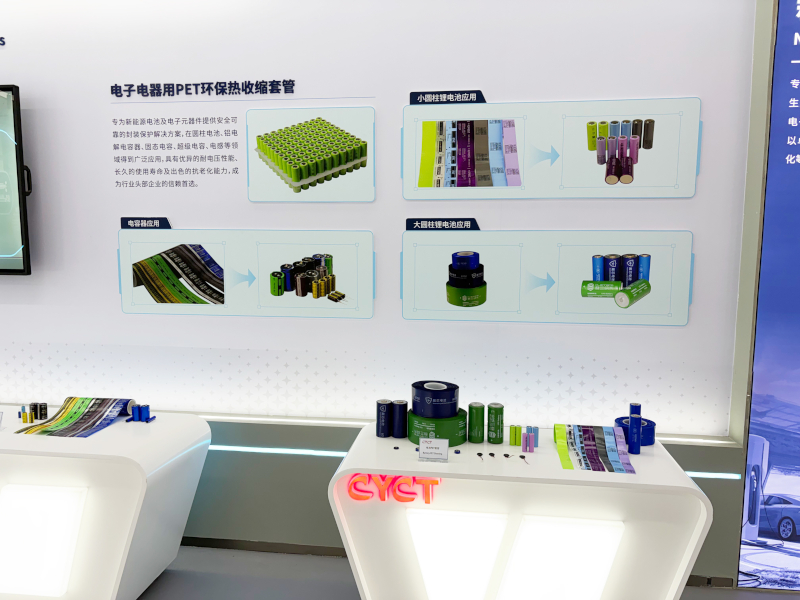
A cylindrical cell PET heat shrink sleeve is a thin insulating tube manufactured from polyethylene terephthalate (PET). It is designed to shrink tightly around the outer surface of cylindrical battery cells when exposed to controlled heat.
The sleeve forms an insulating protective layer around the steel or aluminum battery can while leaving the battery terminals properly exposed for electrical connection.
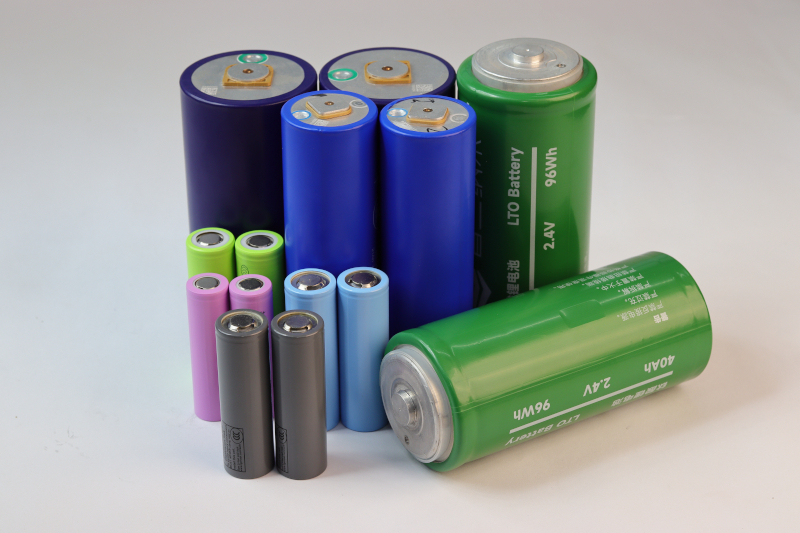
Common battery sizes include:
* 10440
* 14500
* 16340
* 18350
* 18650
* 20700
* 21700
* 26650
* 32650
* 32700
* 40135
* 46110
* 4680
As battery manufacturers continue developing larger-format cells for electric vehicles and energy storage systems, PET heat shrink sleeves have become increasingly important for maintaining insulation and mechanical protection.
One of the primary purposes of a battery sleeve is electrical insulation.
Because the battery can is electrically conductive, any unintended contact with conductive components inside a battery pack may create dangerous short circuits.
PET offers excellent dielectric strength, helping isolate the battery body from neighboring cells, busbars, brackets, and metal enclosures.
Proper insulation greatly improves overall battery safety while reducing manufacturing risks.
Battery cells experience multiple handling processes during manufacturing, including:
* Automated transportation
* Sorting
* Welding
* Assembly
* Packaging
* Shipping
PET possesses excellent tensile strength and abrasion resistance, allowing the sleeve to remain intact throughout these operations.
This durability helps prevent scratches, tears, and punctures that could expose the conductive battery casing.
Modern battery production involves several thermal processes, including:
* Spot welding
* Laser welding
* Hot air shrinking
* Aging tests
* High-temperature storage
PET heat shrink sleeves maintain stable mechanical properties under elevated temperatures, making them suitable for demanding manufacturing environments.
This thermal stability also contributes to long-term battery reliability.
PET sleeves provide controlled shrinkage that allows manufacturers to achieve a tight, wrinkle-free appearance.
A uniform shrink ratio ensures:
* Consistent product quality
* Improved aesthetics
* Reliable insulation
* Better compatibility with automated production
The sleeve conforms closely to the battery surface without excessive deformation.
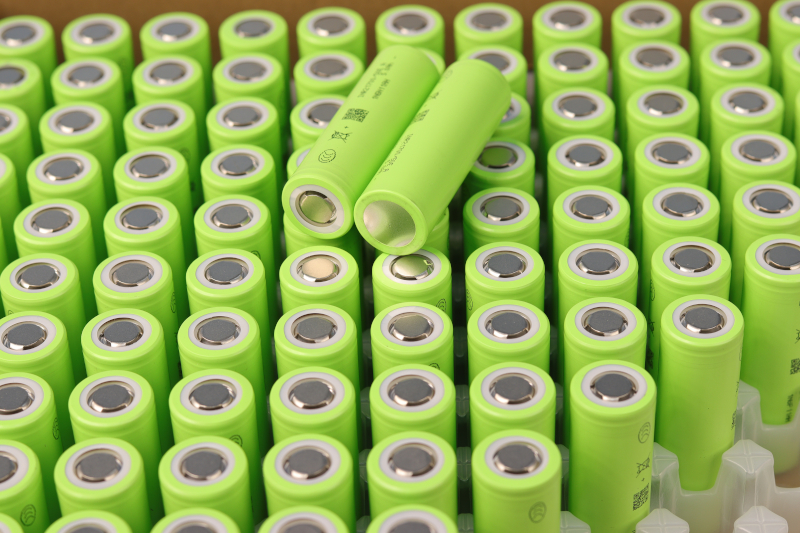
The most important function is preventing accidental electrical contact.
Since cylindrical cells are packed closely together inside battery modules, even minor insulation damage can lead to serious failures.
The PET sleeve forms a dependable insulating barrier that reduces the likelihood of:
* External short circuits
* Metal-to-metal contact
* Electrical leakage
* Assembly errors
Battery cells are subjected to friction during transportation and automated assembly.
Without sufficient protection, the metal can may develop scratches or surface damage.
The PET sleeve absorbs minor impacts and minimizes wear, helping maintain product quality throughout the manufacturing process.
Although cylindrical battery cans are manufactured using corrosion-resistant metals, additional environmental protection remains beneficial.
The PET sleeve shields the outer surface from:
* Moisture
* Dust
* Oils
* Chemical contamination
* Minor environmental exposure
This protective layer helps preserve the appearance and integrity of the battery during storage and transportation.
Battery manufacturers frequently use customized printing on PET sleeves.
Printed information may include:
* Company logo
* Product model
* Production date
* QR codes
* Barcodes
* Voltage rating
* Capacity
* Safety warnings
* Traceability codes
Clear identification improves inventory management while supporting automated production systems.
For battery manufacturers supplying OEM or branded products, appearance matters.
Custom-colored PET sleeves help distinguish products in competitive markets.
Popular sleeve colors include:
* Blue
* Green
* Black
* Red
* Orange
* Yellow
* Purple
* White
Custom printing further enhances product recognition and reinforces corporate branding.
PET heat shrink sleeves are widely used in numerous industries.
Electric vehicles require thousands of cylindrical cells assembled into battery modules.
Reliable insulation is essential for ensuring safe operation under demanding conditions such as vibration, temperature changes, and long service life.
PET sleeves provide dependable protection while supporting automated battery production.
Large-scale battery energy storage systems operate continuously for many years.
Long-term insulation stability becomes increasingly important.
PET sleeves help maintain electrical isolation throughout the battery's service life.
Cordless drills, grinders, chainsaws, and garden equipment rely heavily on cylindrical lithium-ion cells.
These batteries experience frequent charging cycles, vibration, and impact.
Durable PET sleeves improve overall battery durability.
Many electronic products continue using cylindrical lithium-ion cells, including:
* Flashlights
* Portable speakers
* Cameras
* Medical equipment
* Measuring instruments
* Portable vacuum cleaners
PET sleeves contribute to compact design while providing dependable insulation.
Electric bicycles, scooters, motorcycles, and personal mobility devices increasingly depend on high-performance battery packs.
As energy density continues increasing, insulation quality becomes even more important for maintaining safety.
Although the finished sleeve appears simple, its production requires precise control over multiple manufacturing steps.
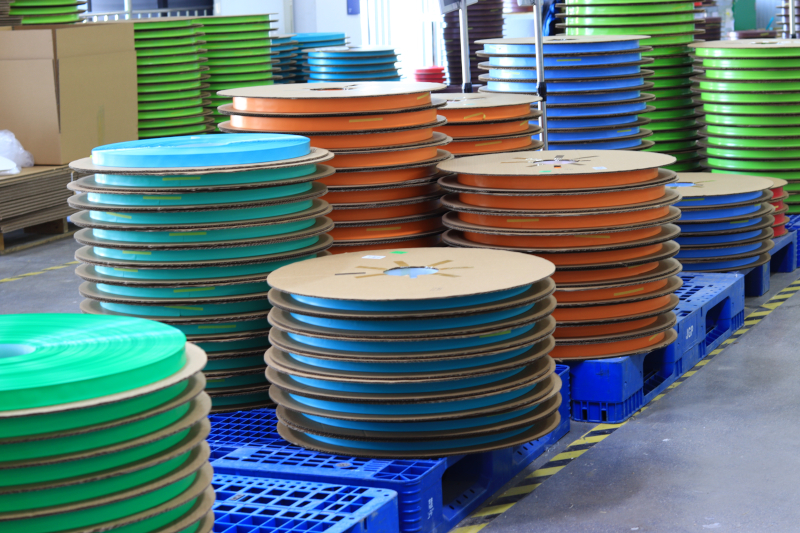
High-quality PET resin serves as the foundation of premium heat shrink sleeves.
The material must provide:
* Stable molecular structure
* Excellent transparency
* High tensile strength
* Consistent shrink properties
* Good printability
Additives may also be incorporated to improve flame retardancy, color stability, UV resistance, or environmental performance depending on customer requirements.
The PET resin is melted and extruded into a continuous tube with tightly controlled wall thickness and diameter.
Uniform extrusion is essential because any variation can affect shrink performance, insulation capability, and the final appearance of the sleeve.
After extrusion, the tubing is heated and expanded under carefully controlled conditions to create the desired shrink characteristics.
The expanded tube is then rapidly cooled to lock in its molecular orientation. This process determines the sleeve's shrink ratio and dimensional stability during later heat application.
Producing high-quality PET heat shrink sleeves requires strict quality control throughout the manufacturing process. Even minor variations in material composition or processing conditions can affect shrink performance, insulation capability, and appearance.
The sleeve's flat width, wall thickness, and length must meet tight tolerances to ensure a proper fit on cylindrical cells. Consistent dimensions help prevent wrinkles, loose fitting, or excessive shrinkage during application.
Manufacturers routinely test shrink performance under controlled heating conditions. The sleeve should shrink evenly without distortion, cracking, or uneven edges.
A stable shrink ratio improves compatibility with automated heat shrinking equipment and ensures a professional finished appearance.
Since the primary function of the sleeve is electrical insulation, dielectric performance must be verified. Testing helps confirm that the sleeve provides sufficient insulation to reduce the risk of accidental short circuits during battery assembly and operation.
Quality inspection also evaluates:
* Tensile strength
* Elongation
* Tear resistance
* Abrasion resistance
* Impact resistance
These properties help ensure the sleeve remains intact during transportation, automated assembly, and long-term service.
For custom-printed battery sleeves, manufacturers inspect:
* Color consistency
* Logo clarity
* Barcode readability
* QR code accuracy
* Ink adhesion
* Scratch resistance
High-quality printing supports product traceability while enhancing brand recognition.
Selecting the appropriate sleeve requires consideration of several technical and commercial factors.
Different battery models require different sleeve dimensions.
Common cylindrical battery sizes include:
* 14500
* 18650
* 21700
* 26650
* 32700
* 40135
* 4680
The sleeve should match the cell diameter and height to ensure proper shrink performance and terminal exposure.
Sleeve thickness affects both protection and flexibility.
Thinner sleeves offer:
* Lower material consumption
* Reduced weight
* Better flexibility
Thicker sleeves provide:
* Improved abrasion resistance
* Better puncture resistance
* Enhanced mechanical protection
The optimal thickness depends on the battery application and manufacturing requirements.
The shrink ratio determines how much the sleeve contracts during heating.
Choosing the correct shrink ratio helps achieve:
* Smooth appearance
* Tight fit
* Stable insulation
* Efficient automated production
Many battery manufacturers require flame-retardant PET sleeves to improve overall product safety and comply with industry standards.
Flame-retardant materials are particularly important for electric vehicles, energy storage systems, and industrial battery packs.
Many manufacturers customize sleeves with:
* Company logos
* Product names
* Model numbers
* Production dates
* Safety instructions
* QR codes
* Batch numbers
Custom printing improves traceability and strengthens brand identity throughout the supply chain.
Several materials are available for battery sleeves, but PET remains one of the most popular choices.
Compared with PVC, PET generally offers:
* Better environmental performance
* Higher mechanical strength
* Better heat resistance
* Improved dimensional stability
* Excellent print quality
PET is also preferred by many manufacturers seeking more environmentally friendly solutions.
Polyolefin heat shrink tubing is widely used in wire insulation, but PET is often better suited for cylindrical battery applications because of its:
* Higher rigidity
* Better surface finish
* Superior abrasion resistance
* Excellent printing performance
These characteristics make PET especially suitable for high-volume battery manufacturing.
Modern battery factories rely heavily on automation to improve productivity and consistency.
PET heat shrink sleeves contribute to automated production by providing:
* Consistent dimensions
* Stable shrink performance
* Smooth feeding during assembly
* Reliable compatibility with automated heat tunnels
* Reduced production downtime
High-quality sleeves help manufacturers achieve greater production efficiency while minimizing defects and rework.
Environmental responsibility has become an important consideration across the battery industry.
PET offers several sustainability advantages.
PET is one of the most widely recycled polymer materials. When managed through appropriate recycling systems, it can contribute to a more sustainable manufacturing process and reduce material waste.
Modern production technologies allow manufacturers to produce thinner yet durable PET sleeves, reducing raw material consumption without compromising performance.
Advanced manufacturing equipment improves energy efficiency, minimizes production waste, and delivers more consistent product quality.
As sustainability expectations continue to grow, manufacturers are increasingly developing PET sleeve solutions that balance environmental performance with reliable protection.
The battery industry continues to evolve rapidly, and PET heat shrink sleeves are evolving alongside it.
Several trends are expected to shape future development.
The adoption of larger cylindrical cells, such as the 4680 format, requires sleeves with greater dimensional precision and enhanced mechanical performance.
Digital manufacturing is driving increased use of:
* Laser marking
* High-resolution QR codes
* Unique serial numbers
* Intelligent product identification systems
These features improve quality management and enable full lifecycle traceability.
As battery energy density increases, manufacturers continue raising safety standards.
Future PET sleeves are expected to provide:
* Improved flame retardancy
* Better thermal stability
* Higher durability
* Enhanced insulation reliability
Battery manufacturers increasingly seek customized solutions tailored to their production lines, branding requirements, and technical specifications.
This trend is encouraging suppliers to offer flexible sizes, colors, shrink ratios, and printing options.
Although a cylindrical cell PET heat shrink sleeve may appear to be a simple accessory, it is an essential component in modern battery manufacturing.
It provides reliable electrical insulation, mechanical protection, corrosion resistance, product identification, and brand enhancement while supporting automated production processes.
As lithium-ion batteries continue expanding into electric vehicles, renewable energy storage, industrial equipment, and consumer electronics, the demand for high-quality PET heat shrink sleeves will continue to grow.
Choosing a reliable supplier and selecting the appropriate sleeve specifications can significantly improve battery safety, manufacturing efficiency, and product consistency. For battery manufacturers focused on long-term performance and dependable quality, investing in premium PET heat shrink sleeves is a practical and valuable decision.
Answer: Its primary purpose is to provide electrical insulation for the battery can while also offering mechanical protection, product identification, and an improved appearance.
Answer: PET offers excellent mechanical strength, high heat resistance, outstanding insulation properties, superior printability, and better environmental performance, making it well suited for lithium-ion battery applications.
Answer: PET heat shrink sleeves are commonly used for cylindrical cells such as 14500, 18650, 21700, 26650, 32700, 40135, and 4680, along with many custom battery sizes.
Answer: Yes. Manufacturers can customize sleeve dimensions, colors, wall thickness, shrink ratios, flame-retardant grades, surface finishes, and printed information such as logos, QR codes, and serial numbers.
Answer: Yes. Their consistent dimensions, stable shrink performance, and compatibility with automated shrinking equipment make them ideal for high-speed battery manufacturing.
Answer: They reduce the risk of accidental short circuits by electrically insulating the conductive battery can. They also provide an additional layer of protection against abrasion, minor impacts, and environmental contaminants.
Answer: Key factors include material quality, manufacturing capability, dimensional consistency, customization options, quality control procedures, production capacity, technical support, and compliance with applicable industry standards.


