


Content Menu
● Understanding What a Battery Sleeve Is
● Why Cylindrical Cells Need Sleeves
>> The Metal Can Is Electrically Live
>> Pack-Level Risks Without Sleeves
● Do Battery Sleeves Work as Electrical Insulation?
● Mechanical Protection: Preventing Damage During Handling
>> Friction and Abrasion in Battery Packs
>> Importance in Large Cylindrical Cells (4680, 60 Series)
● Thermal Behavior: Do Sleeves Cause Overheating?
>> Reality: Minimal Thermal Impact
● Safety Role During Thermal Runaway
● Identification and Traceability
● Sleeve Performance Across Different Cell Formats
>> 18650 Cells
>> 21700 Cells
>> 32700 Cells
>> 4680 Cells
>> 60-Series Large Cylindrical Cells
● Application in Lithium-Ion vs Sodium-Ion Cylindrical Cells
● PET vs PVC Heat Shrink Sleeves
● Do Sleeves Affect Battery Performance?
● What Happens If a Sleeve Is Damaged?
● Sleeves in Automated Battery Pack Production
● The Hidden Role in Pack Longevity
● Environmental and Compliance Considerations
● Final Verdict: Do Battery Sleeves Work?
>> 1. Can a cylindrical battery be safely used without a sleeve?
>> 2. Is PET better than PVC for battery sleeves?
>> 3. Do sleeves trap heat and cause overheating?
>> 4. Why do damaged sleeves require replacement?
>> 5. Are sleeves necessary for sodium-ion batteries too?
>> 6. Why are sleeves more important for larger cells like 4680?
Battery sleeves are often seen as a simple outer layer wrapped around cylindrical cells, yet their role in safety, insulation, identification, and performance protection is far more significant than many realize. From 18650 and 21700 lithium-ion cells to emerging sodium-ion formats and large-diameter 4680 and 60-series cells, heat shrink sleeves have become a critical component in modern battery design. This article explores whether battery sleeves truly “work,” analyzing their function from electrical, mechanical, thermal, and safety perspectives, with special attention to PET and PVC heat shrink materials.
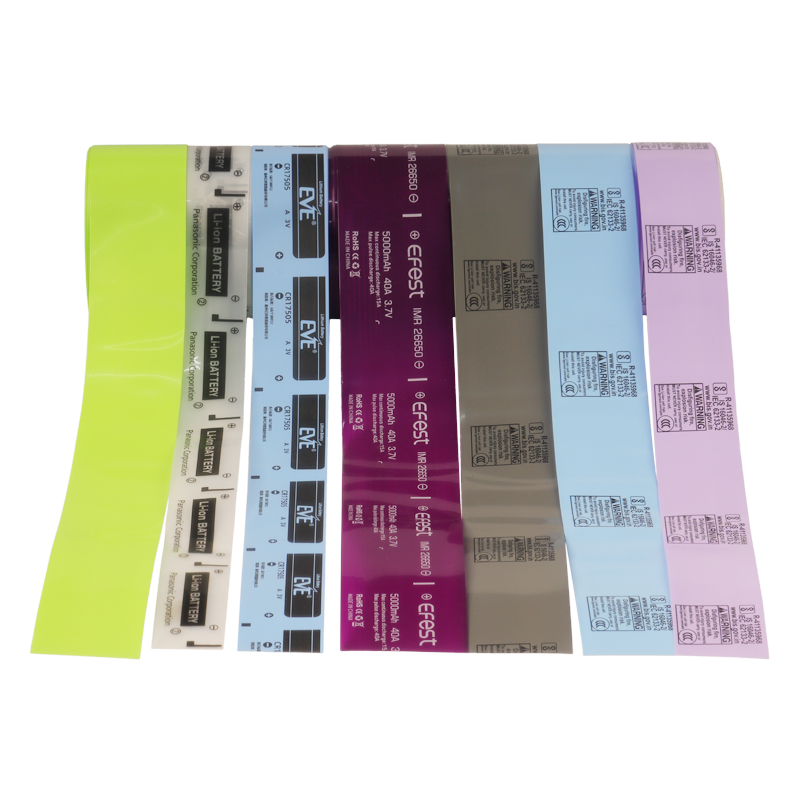
A battery sleeve is a heat shrink tube applied around a cylindrical battery cell. It is typically made from PVC or PET heat shrink material and serves as the primary external insulation layer for the metal can of the cell.
Cylindrical cells have a steel or aluminum metal shell that is electrically conductive. Without proper insulation, accidental short circuits can easily occur when the cell contacts conductive surfaces, battery holders, or adjacent cells in a pack.
The sleeve is not decorative. It is a functional safety component.
In most cylindrical lithium-ion and sodium-ion batteries:
* The entire outer metal can is connected to the negative terminal.
* The positive terminal is isolated at the top cap.
If the metal can touches a conductive object that also contacts the positive terminal, a short circuit happens instantly.
In battery packs, cells are:
* Packed tightly together
* Inserted into metal holders
* Connected with nickel strips or busbars
* Exposed to vibration and movement
Without a sleeve, even minor friction can create direct metal-to-metal contact, leading to short circuits, sparks, overheating, or thermal runaway.
This is where the sleeve proves its value.
Yes. This is their most important function.
Both PET and PVC heat shrink sleeves provide high dielectric strength, which means they can withstand high voltage without electrical breakdown.
They prevent:
* Cell-to-cell short circuits
* Cell-to-holder contact
* Accidental tool contact during assembly
* External conductive debris contact
In cylindrical formats like 18650, 21700, and especially large 4680 cells, the surface area is larger, increasing the risk of accidental contact. The sleeve acts as a reliable insulating barrier.
Battery packs experience:
* Vibration during transport
* Expansion and contraction from heat cycles
* Assembly handling
* Long-term mechanical stress
A bare metal can will scratch easily. Scratches can:
* Remove protective coatings
* Create corrosion points
* Increase electrical hazard risks
The sleeve acts as a sacrificial layer, absorbing mechanical wear instead of the cell casing.
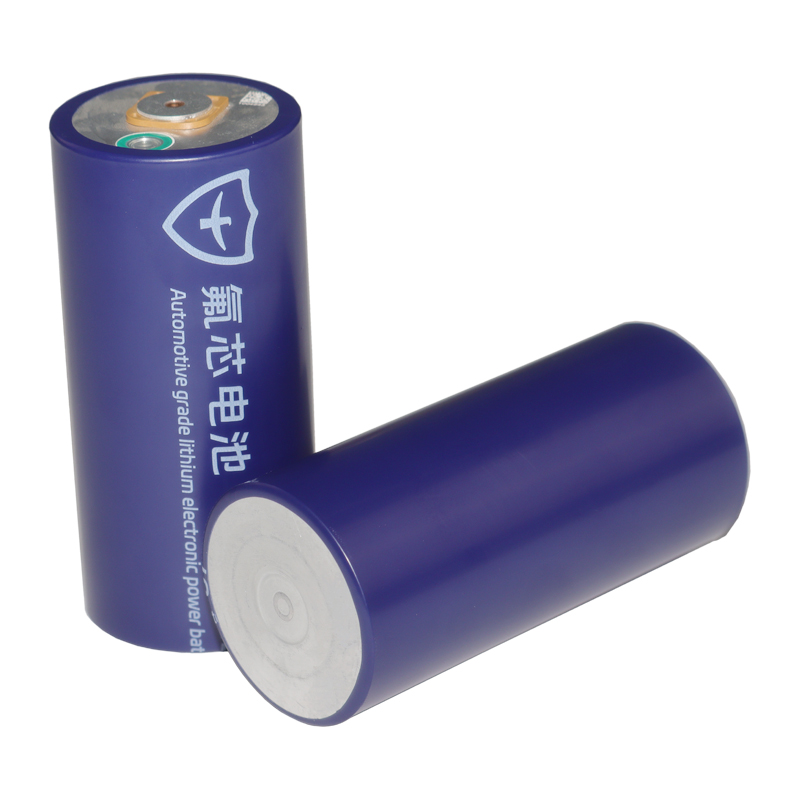
Larger cells are heavier and generate more mechanical stress inside battery packs. Sleeves help reduce:
* Friction between cells
* Wear against holders
* Surface fatigue over time
A common concern is whether sleeves trap heat and reduce cooling efficiency.
PVC and PET sleeves are very thin, typically between 0.05 mm and 0.15 mm. This thickness does not significantly block heat dissipation.
In fact:
* Most heat in cylindrical cells dissipates from the ends, not the side walls.
* The sleeve thickness is negligible compared to the metal can's thermal conductivity.
* Proper pack design uses air gaps or cooling plates.
The sleeve does not meaningfully increase internal cell temperature when correctly designed.
In the event of a cell failure:
* Sleeves can delay flame propagation
* Provide temporary containment of sparks
* Reduce direct flame contact with neighboring cells
PET sleeves especially have higher temperature resistance compared to PVC, making them more stable in high-heat scenarios.
This delay can be critical in preventing chain reactions in battery packs.
Battery sleeves also serve for:
* Printing cell specifications
* Printing brand and model numbers
* Color coding for chemistry or capacity
* Safety warnings and QR codes
Without sleeves, marking directly on metal cans is difficult and less visible.
This becomes very important in pack maintenance, sorting, and quality control.
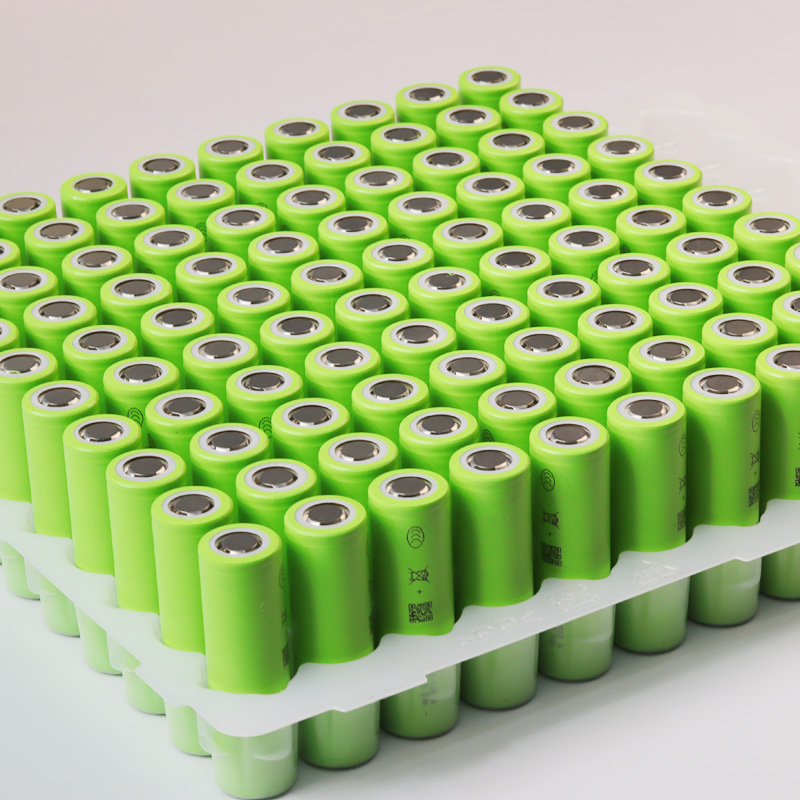
These are the most common cylindrical cells. Sleeves:
* Prevent shorting in dense pack arrangements
* Provide basic insulation and identification
Larger diameter means more surface area exposed. The sleeve becomes more important for:
* Electrical isolation
* Mechanical durability
Often used in LiFePO4 and sodium-ion applications. These cells are thicker and heavier. Sleeves help manage:
* Mechanical wear
* Safe pack integration
With a much larger surface and higher energy, the risk level increases. Sleeves are essential for:
* Insulation across large contact areas
* Reducing friction in structural battery packs
These cells are used in energy storage and high-power applications. Sleeves here must be:
* Mechanically strong
* Thermally stable
* Electrically reliable over long service life
* Higher energy density
* Greater thermal runaway risk
* Sleeves act as critical safety barriers
* Typically larger format
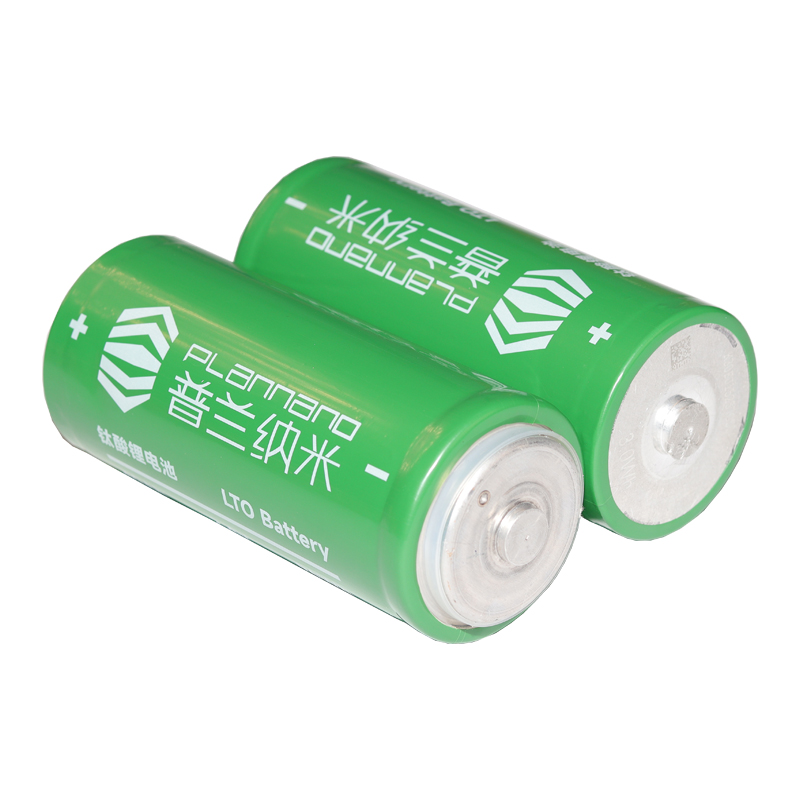
* Lower energy density but still conductive metal shell
* Sleeves provide essential insulation and durability
The function remains the same, regardless of chemistry.
This is where material choice matters.
Advantages
* Low cost
* Easy shrinking
* Good printability
* Widely used
Limitations
* Lower temperature resistance
* Can release harmful gases when burned
* Less environmentally friendly
* Moderate mechanical strength
Advantages
* Higher temperature resistance
* Better mechanical strength
* Environmentally safer
* Better long-term stability
* Higher dielectric strength
Limitations
* Slightly higher cost
* Requires more precise shrinking control
For high-performance battery packs, PET sleeves are increasingly preferred, especially for:
* 21700 and 4680 cells
* EV battery packs
* Energy storage systems
* Long-life applications
PVC is still widely used in consumer electronics and cost-sensitive markets.
They do not affect:
* Capacity
* Internal resistance
* Charging speed
* Discharge rate
They only affect external safety and durability.
A torn sleeve exposes the metal can, creating a direct electrical hazard.
This is why:
* Damaged sleeves must be replaced
* Cells with sleeve damage are often rejected in pack assembly
* Resleeving is a common repair practice
This alone proves how essential sleeves are.
Modern battery pack assembly lines are designed assuming sleeves exist. Fixtures, holders, and welding positions all rely on insulated cell bodies.
Without sleeves:
* Assembly risks increase
* Short circuits become common
* Production yield drops
Over years of charge and discharge cycles, vibration and thermal expansion slowly wear surfaces. Sleeves prevent:
* Long-term abrasion
* Insulation degradation
* Corrosion from humidity exposure
They extend the safe service life of the battery pack.
Many markets are moving away from PVC due to environmental concerns. PET sleeves meet stricter environmental and recycling standards.
This is another reason PET sleeves are becoming dominant in advanced battery systems.
Absolutely.
They work as:
* Electrical insulation
* Mechanical protection
* Thermal safety buffer
* Identification carrier
* Pack integration enabler
* Long-term durability enhancer
Without sleeves, cylindrical batteries would be significantly more dangerous and less practical to use in packs.
No. The exposed metal can creates a high risk of short circuit and is unsafe for pack use.
Yes for high-performance and high-temperature applications. PVC is suitable for low-cost uses.
No. Their thickness is too small to significantly affect heat dissipation.
Because exposed metal can lead to dangerous electrical contact.
Yes. The metal shell is still conductive and requires insulation.
Because larger surface area increases the risk of electrical and mechanical contact.


