

Views: 222 Author: Zhang Xin Publish Time: 2026-05-26 Origin: Site


Content Menu
● Understanding Corrosion in Ocean Steel Structures
>> Why Marine Corrosion Is So Severe
>> Common Corrosion Problems in Marine Structures
● What Are Viscoelastic Coatings?
>> Definition of Viscoelastic Coating Systems
>> Key Characteristics of Viscoelastic Materials
● How Viscoelastic Tape Protects Steel Structures
>> Structure and Composition of Viscoelastic Tape
>> Surface Wetting Performance
>> Waterproof Barrier Protection
● The Role of Viscoelastic Paste in Marine Corrosion Protection
>> What Is Viscoelastic Paste?
>> Filling Surface Irregularities
>> Enhancing Adhesion and Sealing
>> Corrosion Protection for Complex Components
● Importance of Outer Wrapping Tape in Offshore Applications
>> Why an Outer Wrapping Layer Is Necessary
>> Types of Outer Wrapping Tapes
>> Mechanical Protection in Harsh Marine Conditions
>> UV Resistance and Weatherability
● Advantages of Viscoelastic Coating Systems Over Traditional Coatings
>> Superior Adhesion Performance
>> Excellent Compatibility with Cathodic Protection
● Applications of Viscoelastic Coatings in Ocean Engineering
>> Offshore Oil and Gas Platforms
>> Marine Piles and Harbor Structures
>> Offshore Wind Energy Structures
● Installation Process of Viscoelastic Coating Systems
>> Applying Viscoelastic Paste
>> Installing Outer Wrapping Tape
● Performance in Splash Zone Environments
>> Why Splash Zones Are Challenging
>> Benefits of Viscoelastic Systems in Splash Zones
● Environmental and Safety Advantages
● Future Trends in Viscoelastic Marine Coatings
>> Improved Material Formulations
>> Integration with Smart Monitoring Systems
>> Growth in Renewable Energy Applications
>> What is the main advantage of viscoelastic coatings in marine environments?
>> Why is viscoelastic paste used before tape wrapping?
>> Can viscoelastic coatings be applied underwater?
>> What is the purpose of outer wrapping tape?
>> Are viscoelastic coatings compatible with cathodic protection systems?
>> Where are viscoelastic coating systems commonly used?
Ocean steel structures operate in some of the harshest environments on Earth. Constant exposure to saltwater, oxygen, moisture, ultraviolet radiation, temperature fluctuations, and mechanical stress makes marine corrosion a persistent and expensive challenge. Offshore platforms, subsea pipelines, marine terminals, jetties, harbor facilities, wind turbine foundations, and ship structures all face continuous deterioration if corrosion protection systems fail.
Traditional anti-corrosion methods such as epoxy coatings, paints, galvanization, and cathodic protection are widely used in marine engineering. However, many offshore applications require a more flexible and adaptable corrosion protection solution, especially in complex geometries, splash zones, flange areas, welded joints, and subsea repairs. This is where viscoelastic coating systems have become increasingly important.
Viscoelastic coatings are designed to provide long-term corrosion protection through exceptional surface wetting, self-healing capability, water resistance, and strong adhesion without curing. These systems commonly include viscoelastic tape, viscoelastic paste, and outer wrapping tape, which together create a highly reliable anti-corrosion barrier for marine steel structures.
This article explains how viscoelastic coatings work, why they are effective in ocean environments, and how different components of the system contribute to corrosion prevention and structural reliability.
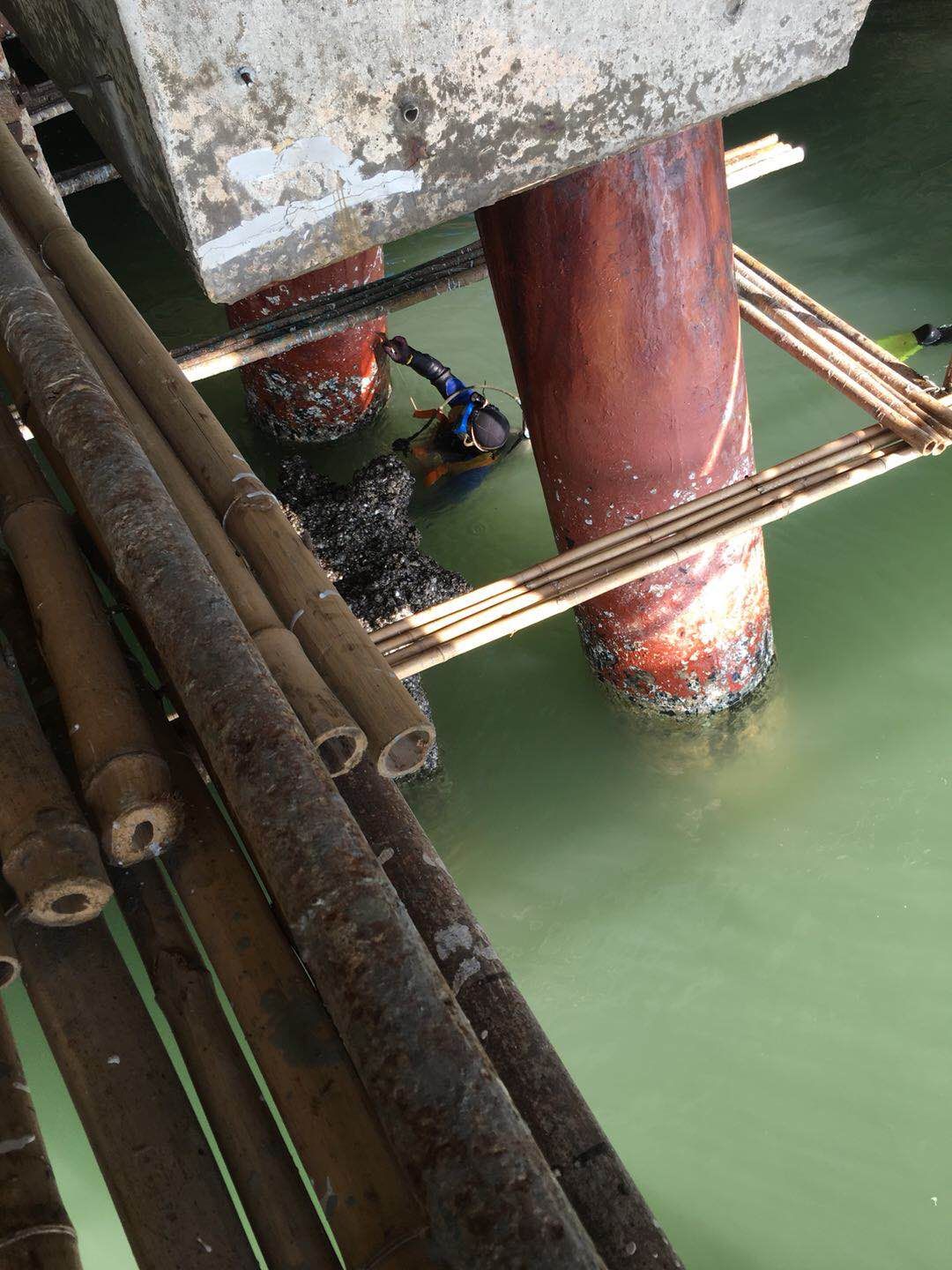
Marine environments accelerate corrosion due to several aggressive factors working simultaneously. Saltwater contains high concentrations of chloride ions, which penetrate protective layers and attack steel surfaces. The combination of oxygen and moisture further drives electrochemical reactions that lead to rust formation.
In offshore and coastal areas, steel structures are also exposed to:
* Continuous wet-dry cycles
* High humidity
* Biological fouling
* UV exposure
* Mechanical impact
* Abrasion from waves and debris
* Temperature changes
* Chemical contamination
The splash zone is especially dangerous because it experiences alternating immersion and oxygen exposure, creating ideal conditions for rapid corrosion.
Corrosion can appear in several forms:
* Uniform corrosion
* Pitting corrosion
* Crevice corrosion
* Galvanic corrosion
* Stress corrosion cracking
* Under-insulation corrosion
If left untreated, corrosion reduces structural strength, increases maintenance costs, causes operational downtime, and may eventually lead to catastrophic failures.
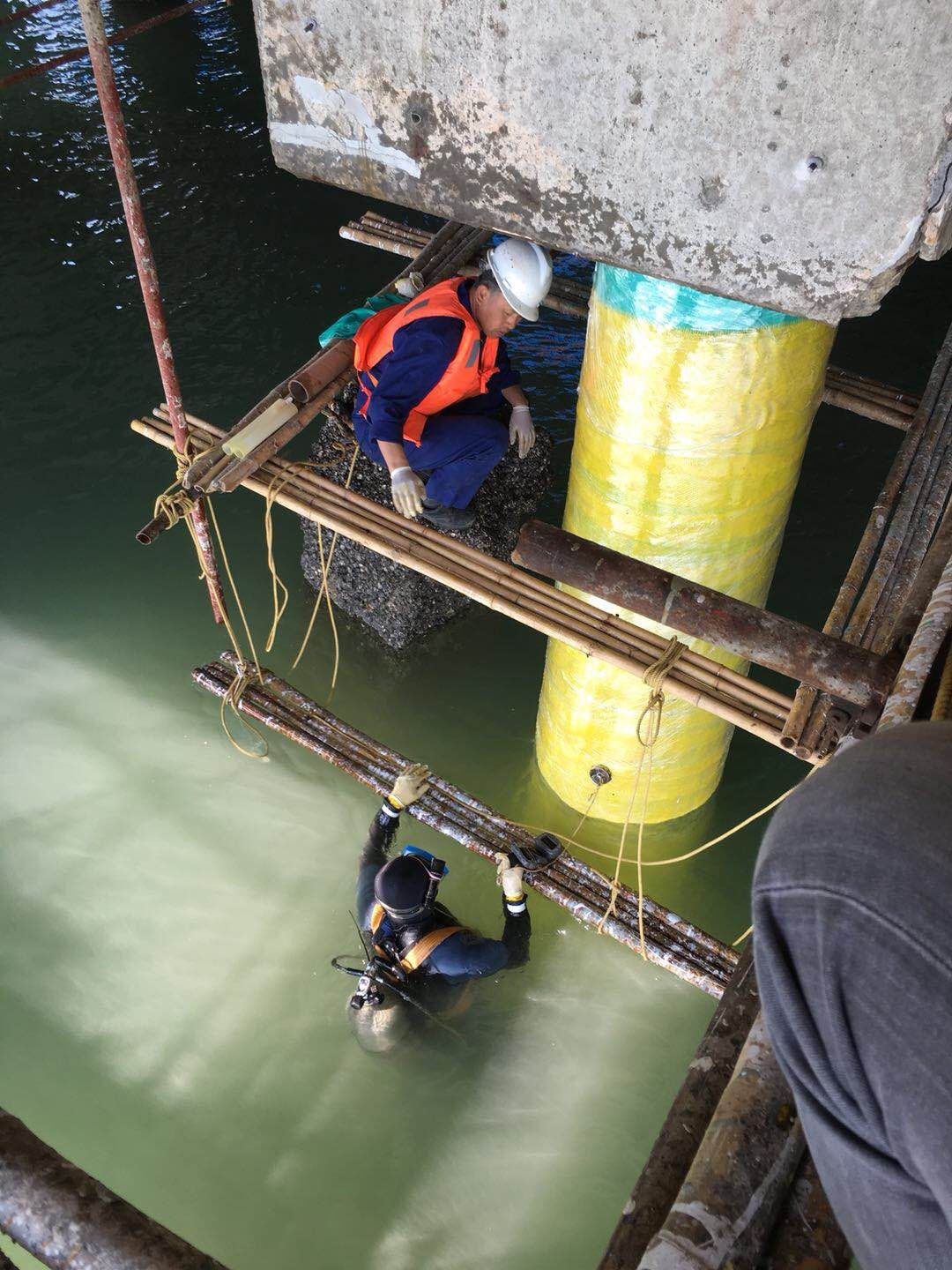
Viscoelastic coatings are non-crystalline, highly adhesive anti-corrosion materials that remain permanently flexible and tacky throughout their service life. Unlike traditional coatings that harden after curing, viscoelastic materials maintain their elastic and viscous properties over time.
A typical viscoelastic coating system consists of:
* Viscoelastic paste
* Viscoelastic tape
* Outer wrapping tape
These materials work together to form an impermeable barrier against water, oxygen, and corrosive ions.
Viscoelastic coatings are known for several unique properties:
* Excellent surface wetting
* Strong adhesion to steel
* Self-healing capability
* No curing required
* Resistance to water penetration
* Flexibility under thermal expansion
* Compatibility with irregular surfaces
* Long-term durability
Because they do not harden or become brittle, viscoelastic materials can maintain protective performance even under structural movement and vibration.

Viscoelastic tape is one of the core components of marine corrosion protection systems. It is typically made from polyolefin-based or petroleum-based viscoelastic compounds supported by a synthetic carrier or release liner.
The tape is designed to conform tightly to steel surfaces and create an intimate bond that blocks corrosive elements.
One of the most important features of viscoelastic tape is its exceptional wetting ability. The material flows into microscopic surface irregularities and displaces air and moisture from the steel substrate.
This complete surface contact minimizes the risk of void formation, which is a common failure point in conventional coatings.
Because the tape remains permanently flexible, it continuously adapts to the substrate over time.
Marine corrosion requires the presence of water and oxygen. Viscoelastic tape creates a highly effective waterproof barrier that prevents these corrosive agents from reaching the steel surface.
The tape also resists chloride ion penetration, making it highly suitable for seawater environments.
This barrier performance is particularly valuable for:
* Offshore pipelines
* Marine piles
* Subsea joints
* Flange connections
* Welded areas
* Splash zone structures
Unlike rigid coatings, viscoelastic tape can recover from minor mechanical damage through its self-healing properties.
If small punctures or scratches occur, the material can flow back into damaged areas and restore the protective seal. This greatly improves long-term corrosion resistance and reduces maintenance frequency.
Viscoelastic tape offers several installation benefits:
* Cold-applied process
* No mixing required
* No curing time
* Minimal surface preparation
* Easy application in confined areas
* Suitable for underwater repairs
These advantages reduce labor costs and shorten maintenance shutdown periods.

Viscoelastic paste is a soft, moldable corrosion protection material used to fill irregular areas before tape wrapping.
It is commonly applied to:
* Bolts
* Nuts
* Flanges
* Valves
* Weld seams
* Sharp edges
* Complex geometries
The paste ensures that difficult surfaces are fully sealed and protected.
Marine steel structures often contain uneven surfaces that are difficult to protect using coatings alone.
Viscoelastic paste fills gaps, cavities, and crevices to eliminate trapped air pockets where corrosion may initiate.
By creating a smooth transition surface, the paste improves the effectiveness of the overall tape wrapping system.
The paste improves adhesion between the steel substrate and viscoelastic tape.
It also enhances sealing performance around:
* Mechanical joints
* Fasteners
* Pipe supports
* Structural transitions
This is particularly important in offshore environments where water ingress can rapidly accelerate localized corrosion.
Traditional coatings often struggle to protect complicated components due to limited flexibility and insufficient coverage.
Viscoelastic paste adapts easily to complex geometries and provides continuous corrosion protection even in hard-to-access locations.
This makes it widely used in offshore maintenance and rehabilitation projects.

While viscoelastic materials provide excellent corrosion resistance, they are relatively soft compared to rigid outer coatings.
An outer wrapping tape is therefore applied to provide additional:
* Mechanical protection
* UV resistance
* Abrasion resistance
* Impact resistance
* Structural reinforcement
The outer layer protects the viscoelastic system from external damage.
Several types of outer wrapping tapes are used in marine environments, including:
* Polyethylene outer wrap tape
* Polypropylene outer wrap tape
* PVC protective tape
* Fiber-reinforced wrapping tape
The selection depends on operating conditions and environmental exposure.
Ocean structures experience severe mechanical stress from waves, debris, vibration, and operational activities.
Outer wrapping tape protects the softer viscoelastic layer from physical damage that could compromise corrosion protection performance.
This is especially important in:
* Splash zones
* Offshore platforms
* Subsea pipelines
* Port structures
In above-water applications, ultraviolet exposure can degrade certain anti-corrosion materials over time.
Outer wrapping tapes with UV-resistant properties help maintain long-term system integrity under sunlight exposure.
This extends service life and reduces maintenance frequency.
Traditional coatings often require precise mixing ratios, curing time, and environmental control during application.
Viscoelastic systems eliminate these challenges because they remain permanently flexible and do not chemically cure.
This simplifies installation in offshore environments where weather conditions are difficult to control.
Viscoelastic materials bond strongly to steel surfaces through molecular attraction and intimate surface contact.
Unlike rigid coatings that may disbond over time, viscoelastic systems maintain adhesion even under thermal cycling and substrate movement.
Viscoelastic coatings are highly compatible with cathodic protection systems commonly used in marine engineering.
Their low water permeability helps improve cathodic protection efficiency while reducing shielding risks.
Because viscoelastic systems resist cracking, peeling, and delamination, they typically require less maintenance than traditional coatings.
Long-term durability leads to:
* Lower inspection frequency
* Reduced repair costs
* Less operational downtime
* Extended asset lifespan
Offshore platforms contain large amounts of exposed steel vulnerable to corrosion.
Viscoelastic systems are commonly used for:
* Splash zone protection
* Pipe supports
* Structural joints
* Risers
* Flanges
Their flexibility and sealing ability make them ideal for offshore maintenance work.
Subsea pipelines operate under constant seawater exposure and hydrostatic pressure.
Viscoelastic coatings help protect:
* Field joints
* Weld areas
* Mechanical connectors
* Pipeline repairs
The materials can even be applied underwater in some situations.
Steel piles supporting docks, bridges, and piers are highly susceptible to corrosion in tidal and splash zones.
Viscoelastic wrapping systems provide reliable long-term protection while accommodating structural movement.
The rapid growth of offshore wind farms has increased demand for durable anti-corrosion solutions.
Viscoelastic systems are used on:
* Monopile foundations
* Transition pieces
* Cable connections
* Structural joints
These systems help reduce maintenance challenges in remote offshore locations.
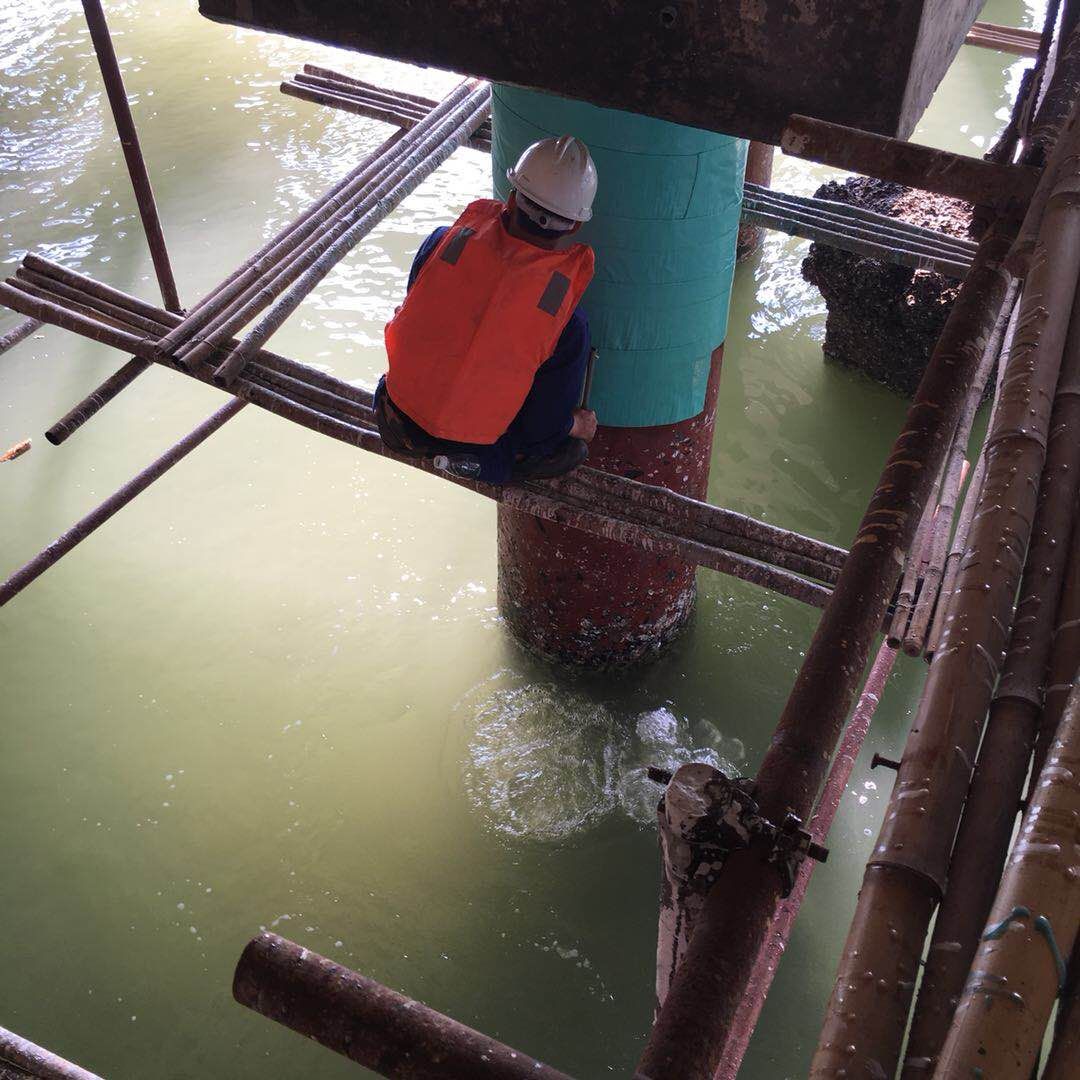
Although viscoelastic coatings tolerate lower surface preparation standards than some traditional coatings, proper cleaning remains important.
Typical preparation includes:
* Removing loose rust
* Eliminating contaminants
* Cleaning oil and grease
* Drying the surface
Power tool cleaning is often sufficient.
The paste is first applied to irregular areas, weld seams, bolts, and sharp edges.
This step ensures a smooth profile for subsequent tape application.
The tape is wrapped with controlled overlap to ensure continuous sealing coverage.
Proper tension and overlap are important for system performance.
Finally, the outer protective tape is applied to provide mechanical and environmental protection.
Multiple layers may be used depending on service conditions.
The splash zone is often considered the most aggressive marine corrosion environment.
Steel in this region experiences:
* Continuous wet-dry cycling
* High oxygen concentration
* Salt deposition
* Wave impact
* UV exposure
Traditional coatings often fail prematurely in splash zones due to cracking and disbondment.
Viscoelastic systems perform exceptionally well in splash zones because they:
* Maintain flexibility
* Resist water penetration
* Self-heal minor damage
* Accommodate movement
* Provide strong adhesion
These characteristics significantly improve long-term corrosion resistance.
Many viscoelastic products are solvent-free, reducing volatile organic compound emissions during installation.
This supports safer working environments and environmental compliance.
Because no heating or curing is required, viscoelastic systems reduce installation energy consumption compared to heat-applied coatings.
Longer service life and reduced maintenance frequency help decrease overall material consumption and waste generation.
This contributes to more sustainable infrastructure management.
Manufacturers continue developing advanced viscoelastic materials with enhanced:
* Temperature resistance
* UV stability
* Mechanical strength
* Chemical resistance
These improvements will expand application possibilities in harsher offshore environments.
Future marine protection systems may combine viscoelastic coatings with corrosion monitoring technologies for predictive maintenance.
This could improve asset management efficiency and reduce unexpected failures.
As offshore renewable energy infrastructure expands globally, demand for durable corrosion protection systems will continue increasing.
Viscoelastic coatings are expected to play a major role in protecting offshore wind and tidal energy installations.
Corrosion remains one of the greatest threats to ocean steel structures, causing massive economic losses and operational risks worldwide. Traditional protective coatings provide valuable performance, but many marine applications require greater flexibility, sealing ability, and long-term reliability.
Viscoelastic coating systems offer an advanced solution by combining viscoelastic paste, viscoelastic tape, and outer wrapping tape into a highly effective corrosion protection system. These materials provide exceptional adhesion, waterproof sealing, self-healing capability, and mechanical adaptability in aggressive marine environments.
Viscoelastic paste fills irregular surfaces and complex geometries, ensuring complete sealing performance. Viscoelastic tape forms the primary anti-corrosion barrier with outstanding surface wetting and flexibility. Outer wrapping tape protects the system from UV exposure, abrasion, and mechanical damage.
Together, these components create a durable and reliable protection system widely used in offshore oil and gas platforms, subsea pipelines, marine piles, harbor structures, and offshore renewable energy projects.
As marine infrastructure continues expanding globally, viscoelastic coating technology will remain an essential tool for extending asset life, reducing maintenance costs, and improving structural reliability in some of the world's most demanding environments.
The main advantage is their ability to maintain permanent flexibility and strong adhesion while preventing water and oxygen from reaching the steel surface. This significantly improves corrosion resistance in harsh ocean conditions.
Viscoelastic paste fills gaps, crevices, weld seams, and irregular surfaces to ensure complete sealing and improve overall coating system performance.
Certain viscoelastic systems are specifically designed for underwater and subsea applications, making them suitable for offshore maintenance and repair projects.
Outer wrapping tape provides mechanical protection, UV resistance, and abrasion resistance to protect the softer viscoelastic layer from external damage.
Yes. Viscoelastic coatings are highly compatible with cathodic protection systems and are commonly used together in offshore engineering.
They are widely used on offshore platforms, subsea pipelines, marine piles, harbor facilities, offshore wind structures, and splash zone steel components.


